

 PRODUCT LIST
-
Bag filter
-
Stainless steel pneumatic water swirl cabinet
-
Polishing Platform
-
Welding fume extractor
-
Water curtain cabinet
-
Fog cannon
-
Cyclone dust collector
-
Dust collector for building materials industry
-
filter cartridge dust collector
-
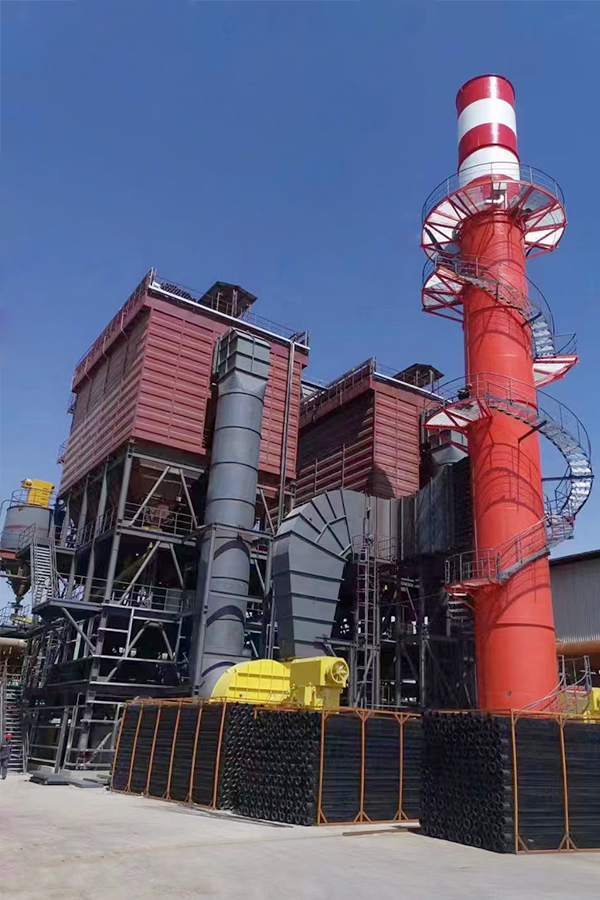
boiler dust collector
-
sawdust dust collector
-
Dust collector in mining stone factory
-
kiln dust collector
-
chemical industry dust collector
-
Metallurgical dust collector
-
stainless steel dust collector
-
steelplantdustcollector
-
wet electrostatic precipitator
-
PP spray tower
-
electric tar precipitator
-
Waste gas treatment equipment
-
Dust humidifier
-
Material hoist
-
Belt conveyor
-
Dust collector bag
-
Dust collector skeleton
-
pulse electromagnetic valve
-
dust collector cylinder
-
filter cartridge dust removal filter element
-
ventilation valve
-
Dust suppression device
-
unloader
-
screw conveyor
-
water suction machine
-
Fan muffler
-
fan
-
Control cabinet
-
Cyclone Tower
-
Gypsum board lift
-
Electric suspended basket
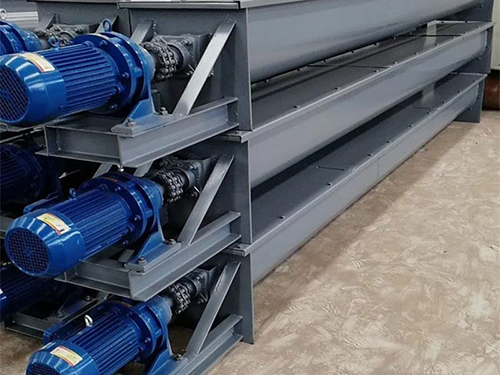
Conveyor
Firstly, let's explain the composition of the belt conveyor system: The belt conveyor is the most important equipment for conveying and loading and unloading bulk materials, which can be widely used in industrial fields such as mining, metallurgy, building materials, chemical industry, electricity, food processing, etc. The extensive application of leather machines can be seen in coal mines, metal mines, steel enterprises, ports, cement plants, and other places. Transportation machinery can not only complete the transportation of bulk materials, but also transport bulk materials. However, there will be significant differences in its design and application depending on the location of use, working environment, and type of transported materials;
Modern conveyor systems have higher requirements for dust prevention. Therefore, sprinkler dust collection devices are installed at each transfer point, and windproof covers or plates are installed along the belt conveyor. The system is composed of a single machine. For operators and repairers working in the entire system, they need to not only focus on the single machine they are in charge of, but also understand the interconnections between the systems. Single machines are composed of many components. Only by doing a good job in daily maintenance of each component to keep it in good working condition can the safe operation of the equipment be ensured;
We generally use different forms of belt conveyors based on their usage locations, working environments, technical performance, and types of conveyed materials to meet various operating conditions. In addition to the commonly used general belt conveyors, there are also various new types of special belt conveyors with new structures. Representative ones include: large angle belt conveyors, deep groove belt conveyors, and belt press conveyors, tubular belt conveyors, air cushion belt conveyors, flat turning belt conveyors, linear friction conveyors, and wavy edge conveyor belt conveyors. There are also multiple classification methods for refinement. The following is an introduction:
Classified by purpose, there are universal mobile conveyors, underground selection conveyors, open-pit mining fixed conveyors, special structural conveyors, movable conveyors, loader specific transfer function conveyors, large angle conveyors, etc. Generally speaking, short distance in plant conveyors can complete horizontal, upward or downward transportation. Reversible patterned belt conveyors can be used for bidirectional material transportation. Cantilever machines are usually installed on stackers and can rotate to achieve soil discharge or fabric distribution. Elevated machines supported by gantry cranes are usually used in conjunction with other bulk material processing equipment, such as in hydropower construction. Standard intermediate frames can be configured, which are set on sleepers for easy relocation;
Classified by the type of transported materials, there are belt conveyors used for general loose materials, hard materials, and single piece materials. Classified by the position of the rubber conveyor belt bearing section, there are three types: the belt bearing section above, the bearing section below, and the bidirectional conveyor with both bearing sections above and below. The bidirectional conveyor can respectively transport materials in the upper and lower branches, but in order to maintain the contact surface of the materials, the rubber belt needs to be regularly flipped.

+86 13920372366

www.yongjing-machinery.com

info@yongjing-machinery.com

Pengcheng Lane, Liqizhuang Street, Xiqing District, Tianjin City
Copyright © 2024-2025 http://www.yongjing-machinery.com. All Rights Reserved Yongjing (Tianjin) International Trade Co., Ltd Copyright